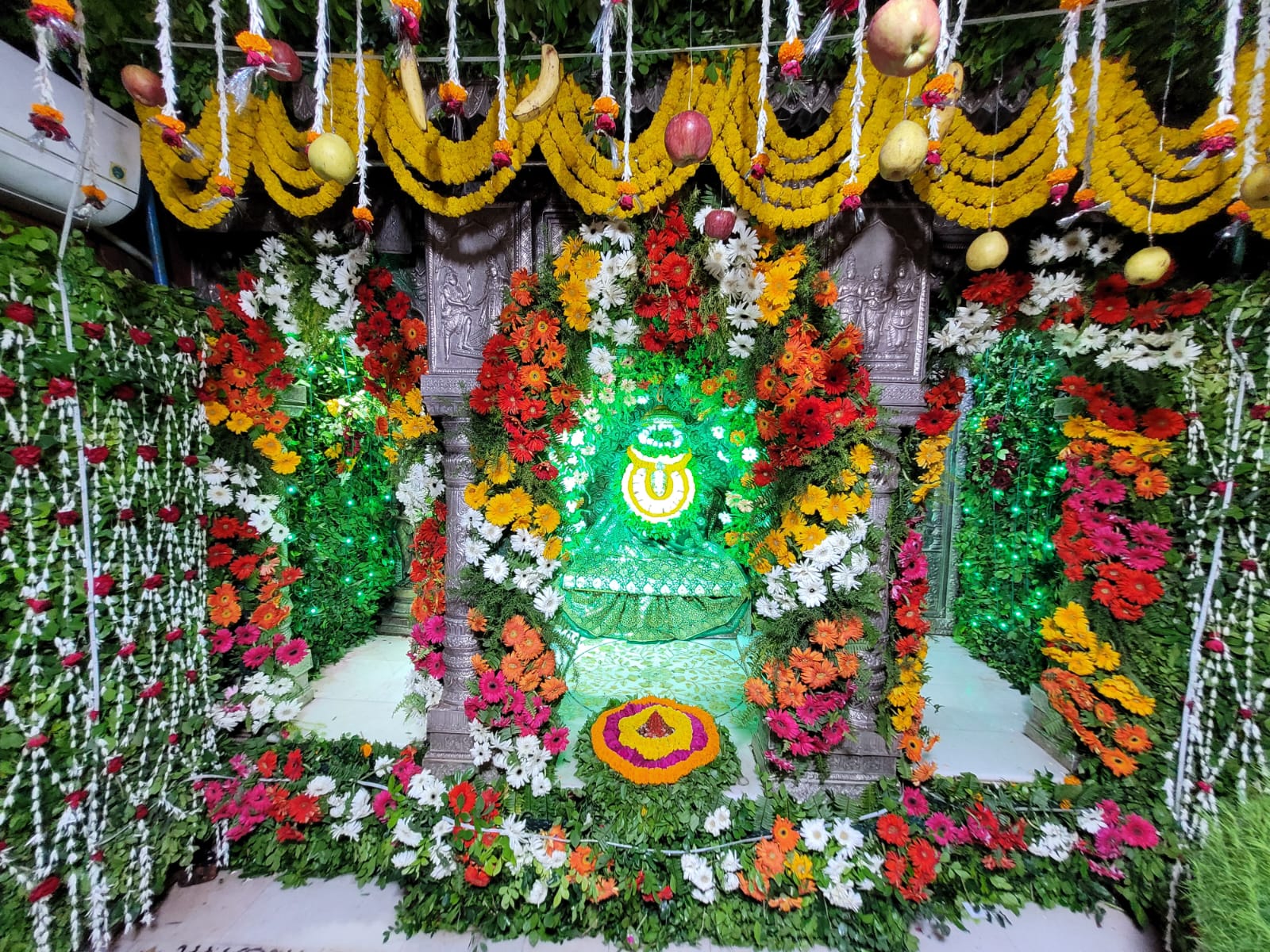
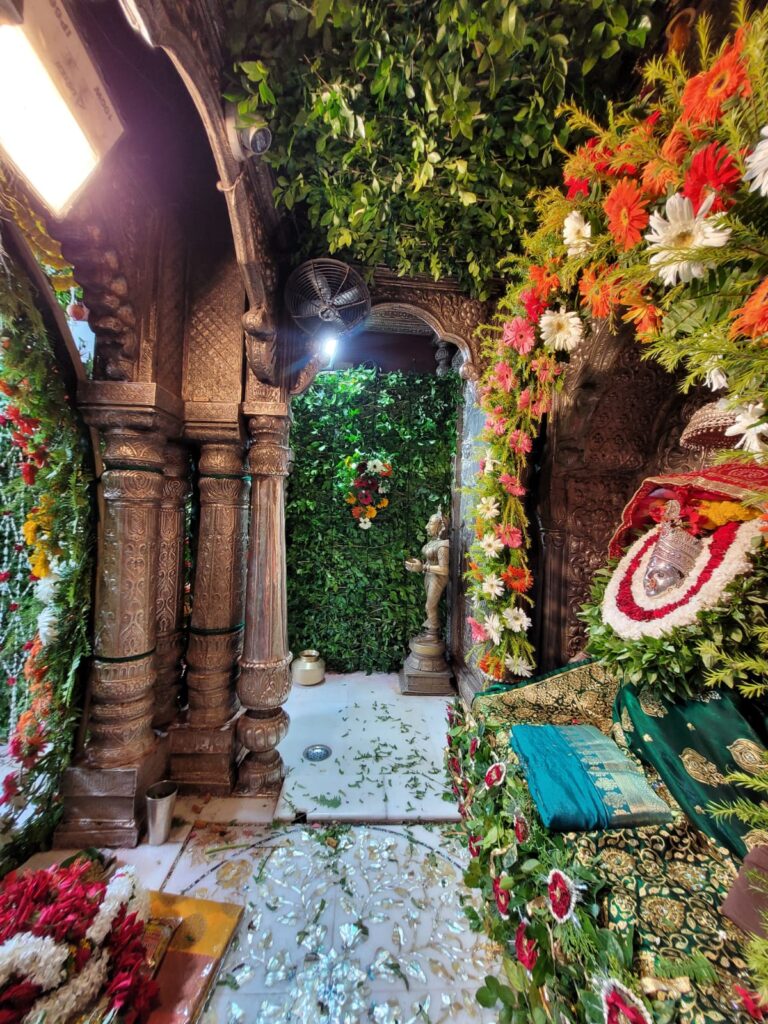
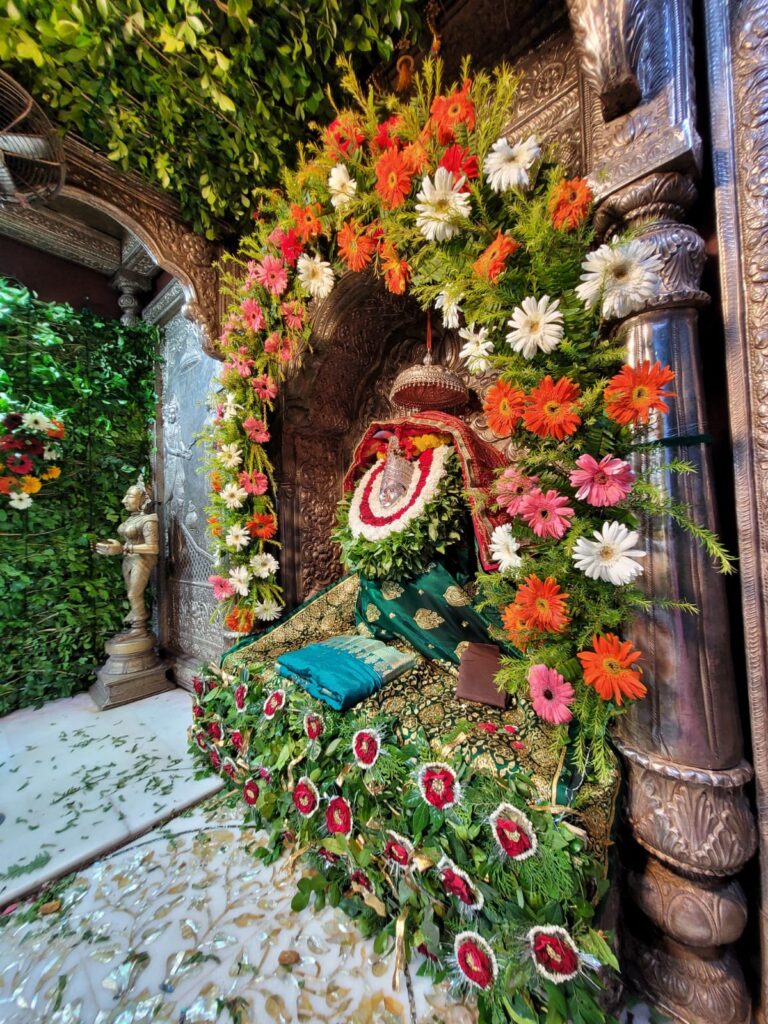
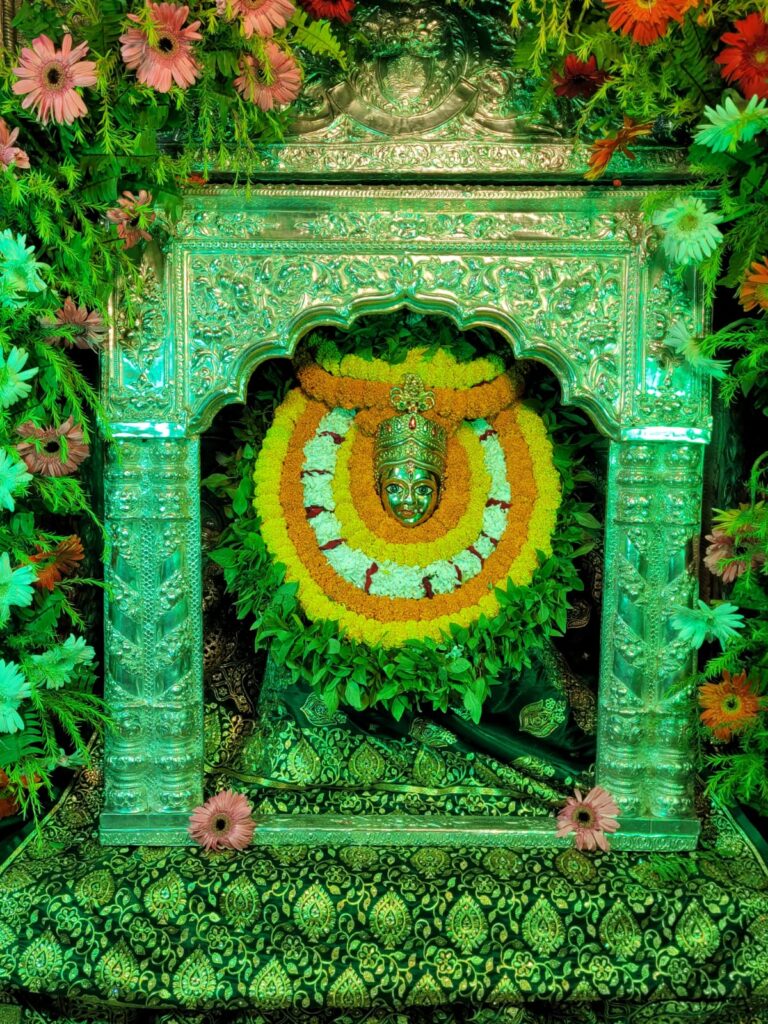
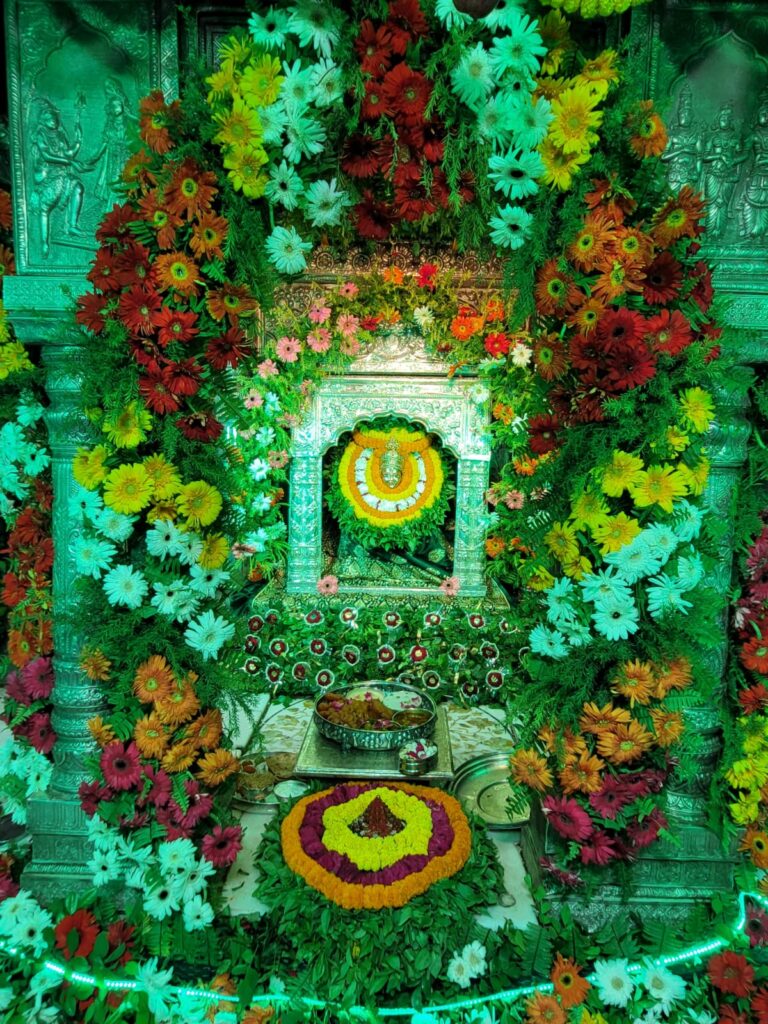
प्रत्येक वर्ष की भांति इस वर्ष भी रक्षाबंधन के पर्व पर माँ अन्नपूर्णा मंदिर में भव्य हरियाली श्रृंगार किया जाएगा। मन्दिर परिसर को अशोक कामनी के पत्तों, गुलाब की माला, गेंदे की माला एवं माँ के गर्भ गृह को कई प्रकार के फूलों और फलों से सजाया जाएगा।
Varanasi Darshan Guide 2025 – Your Complete Travel Plan to Kashi
Kashi – the city of Lord Shiva – is not just a place, it’s a feeling. When you walk through its narrow lanes, see the river Ganga flowing gently, and hear temple bells ringing, you know your soul has arrived somewhere special.
In this guide, we will help you plan your Varanasi Darshan in a simple way. You’ll know how to reach, what to visit, darshan timings, rituals, and nearby places.
“हर हर महादेव की गूंज है यहाँ,
माँ अन्नपूर्णा का आशीर्वाद है जहाँ।
घाटों की सीढ़ियाँ बताती हैं कहानी,
यही है हमारी पावन काशी बनारस पुरानी।”
How to Reach Varanasi
By Air
Lal Bahadur Shastri Airport (VNS)
Daily flights from Delhi, Mumbai, Bangalore, Kathmandu
By Train
Main stations: Varanasi Junction (BSB), Banaras (BSBS)
Regular trains from all major cities
By Road
Connected by highways from Lucknow, Prayagraj, Gorakhpur, Patna
Private cabs and buses available
Tip: For Muktinath travel or Nepal yatra from Varanasi, check our Nepal Tour Guide
Best Time to Visit Varanasi in 2025
October to March – Pleasant weather and major festivals
Don’t miss Dev Deepawali, Mahashivratri, Kartik Purnima
Shopping in Godowlia – Banarasi sarees, Rudraksha, souvenirs
Nearby Places to Explore
Sarnath – Peaceful Buddhist site
Ramnagar Fort – Heritage across Ganga
Kabir Math – Spiritual home of Sant Kabir
Godowlia Market – Local food, silk, souvenirs
A Spiritual Experience Awaits You
Kashi is more than temples. It is a place to slow down, reflect, and connect with your soul. The Ganga, the chants, and the divine darshan bring peace like no other place.
“In Kashi, you don’t just visit a city – you meet your soul.”
Kashi (Varanasi/Banaras) is not just a city—it’s where spirituality, history, and culture come together. Known as the City of Light and the Land of Moksha, Kashi (Varanasi/Banaras) holds a unique place in the hearts of millions.
Why is Kashi (Varanasi/Banaras) So Important?
It is believed to be the oldest living city in the world.
Hindu mythology says that Lord Shiva himself established this city.
People believe that one who dies in Kashi (Varanasi/Banaras) attains moksha (liberation).
Saints, sages, scholars, and seekers from across the globe come here for peace and spiritual enlightenment.
Must-Visit Temples in Kashi (Varanasi/Banaras):
Kashi Annapurna Temple – A temple dedicated to Goddess Annapurna, the consort of Lord Shiva. She is the goddess of food and nourishment. The temple is known for distributing food to devotees and needy people every day.
Old Kashi Vishwanath Temple – Nestled within the old lanes of the city, this ancient temple is still a place of deep devotion.
New Kashi Vishwanath Temple (Vishwanath Dham Corridor) – Recently developed as a grand spiritual and cultural corridor, connecting the temple directly with the Ganga River.
Sankat Mochan Hanuman Mandir – Known for removing obstacles and fulfilling wishes.
Sarnath – The Buddhist Connection Near Kashi
Located just 10 km from Kashi (Varanasi/Banaras), Sarnath is where Lord Buddha gave his first sermon after attaining enlightenment. Key attractions include:
Dhamek Stupa
Chaukhandi Stupa
Sarnath Museum
Deer Park
It’s a peaceful destination perfect for meditation and history lovers.
Nestled in the ancient, spiritual heart of Varanasi, the Kashi Annapurna Temple stands as a timeless testament to devotion, sustenance, and divine compassion. Dedicated to Goddess Annapurna, the deity of food and nourishment, this temple holds a revered place in Hindu tradition. Known as the “Queen of Kashi,” Annapurna Devi is believed to ensure that no one in this holy city ever goes hungry. This article explores the rich history, profound mythological significance, and precise location details of this sacred shrine.
History of the Kashi Annapurna Temple
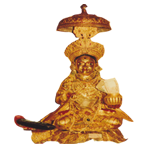
The Kashi Annapurna Temple, as it stands today, was constructed in 1729 AD by Maratha Peshwa Baji Rao I, a prominent ruler known for his contributions to Hindu architecture and culture. Built in the Nagara style of temple architecture, the structure features a large pillared sanctum and intricate carvings that reflect the craftsmanship of the era. The temple houses two idols of Goddess Annapurna: a brass icon available for daily darshan (worship) and a golden idol, unveiled only once a year during the Annakoot festival, which follows Diwali.
While the current edifice dates back to the 18th century, the worship of Annapurna in Kashi is far older, with roots intertwined with the city’s ancient spiritual heritage. Varanasi, also known as Kashi, is one of the oldest continuously inhabited cities in the world, and its religious landscape evolved significantly over centuries. Historical shifts, including invasions and reconstructions, impacted many of Kashi’s temples. Although the Puranas do not explicitly mention Annapurna, they reference Bhavani Gauri—another form of Parvati—as a key deity alongside Lord Shiva (Vishweshwara). Over time, Annapurna emerged as a distinct and dominant figure, eclipsing earlier traditions of Bhavani Gauri worship in this region.
The temple’s establishment reflects a broader cultural reverence for food as a life-sustaining force, a value deeply embedded in India’s agrarian history. Its proximity to the Kashi Vishwanath Temple, dedicated to Lord Shiva, underscores the eternal bond between Shiva and Parvati, often described as the “soulmates” of Kashi’s divine narrative.
Mythological Importance
The mythological significance of the Kashi Annapurna Temple is rooted in captivating tales that highlight the interplay between Lord Shiva and Goddess Parvati, Annapurna’s divine form. Two primary legends dominate Hindu lore about the temple’s origins.
In the first story, Parvati, in a playful yet profound act, closed all three of Shiva’s eyes to temper his rage—an act that plunged the universe into darkness. As a consequence, she lost her fair complexion (Gauri form) and sought Shiva’s aid to restore it. Shiva instructed her to distribute “anna” (food) in Kashi. Transforming into Annapurna, adorned with a golden ladle and pot, she began feeding the inhabitants of Varanasi. This act of nourishment is believed to continue daily, symbolizing her eternal presence as the provider of sustenance.
The second, more widely accepted tale centers on a debate between Shiva and Parvati. Shiva declared that the material world, including food, was an illusion (maya). Offended by this dismissal of her domain, Parvati vanished, withdrawing all nourishment from the earth. Famine ensued, afflicting gods, humans, and demons alike. Witnessing the suffering, Shiva relented and appeared in Kashi as a beggar, holding a bowl and seeking alms from Annapurna. Feeding him with her own hands, she made him acknowledge food’s indispensable role in existence. Shiva then vowed that Kashi would never know poverty or hunger under her care—a promise devotees believe holds true to this day.
These myths emphasize Annapurna’s role as the compassionate mother who sustains life, complementing Shiva’s ascetic nature. Her temple is a Shakti Peetha, a seat of divine feminine energy, and during Navratri, she is worshipped as Mahagauri, the eighth form of Durga. The Kashi Khanda of the Skanda Purana extols her greatness, advising devotees to circumambulate her idol eight times daily—or 108 times during the Chaitra month—for prosperity and the removal of obstacles.
The Annakoot festival, celebrated with fervor, reenacts her benevolence. Devotees offer heaps of food, and special coins are distributed as blessings, believed to bring abundance to those who worship them. This enduring legacy underscores food’s sanctity in Hinduism and Annapurna’s pivotal role in spiritual and material well-being.
Location Details
The Kashi Annapurna Temple is strategically located in Varanasi, Uttar Pradesh, at D 9/1, Vishwanath Gali, just 15 meters northwest of the iconic Kashi Vishwanath Temple. This narrow lane, known as Vishwanath Gali, is a bustling artery in the city’s labyrinthine old quarter, leading devotees through a vibrant tapestry of shops and shrines. The temple lies approximately 5 kilometers southeast of Varanasi Cantonment Railway Station and 4.5 kilometers northeast of Banaras Hindu University, making it accessible yet deeply embedded in Kashi’s spiritual core.
Situated near Dashashwamedh Road, the temple is a short walk from the sacred Ganges River and key landmarks like Manikarnika Ghat (350 meters west) and Vishalakshi Temple (200 meters west). Its proximity to the Kashi Vishwanath Temple enhances its prominence, as pilgrims typically visit both shrines in tandem. The temple’s Nagara-style architecture, with its towering spire and pillared porch, stands out amidst the crowded gali, offering a serene sanctuary amid Varanasi’s chaotic charm.
For visitors, the temple is open daily from 4:00 AM to 11:30 AM and 7:00 PM to 11:00 PM, with free meals served to devotees—a tradition reflecting Annapurna’s promise of nourishment. The best time to visit is during the Annakoot festival or Diwali, though the crowds swell significantly then, drawing lakhs of pilgrims seeking her blessings.
The Kashi Annapurna Temple is more than a place of worship; it is a living symbol of divine compassion, sustenance, and the eternal bond between Shiva and Parvati. Its history reflects the resilience of Kashi’s spiritual heritage, while its myths celebrate the profound truth that life depends on nourishment—both physical and spiritual. Located in the heart of Varanasi, it beckons devotees and travelers alike to experience its sanctity, partake in its offerings, and witness the enduring grace of Goddess Annapurna, the nurturer of Kashi.
काशी अन्नपूर्णा मंदिर में दिवाली पर माता अन्नपूर्णा की स्वर्ण प्रतिमा के दर्शन (29 अक्टूबर से 2 नवंबर)
दिवाली के शुभ अवसर पर काशी के प्रसिद्ध अन्नपूर्णा मंदिर के कपाट 29 अक्टूबर से 2 नवंबर तक भक्तों के लिए खोले जाएंगे, जिससे उन्हें माता अन्नपूर्णा की स्वर्ण प्रतिमा के दर्शन का सौभाग्य प्राप्त होगा।
माता अन्नपूर्णा, जो अन्न और समृद्धि की देवी मानी जाती हैं, की स्वर्ण प्रतिमा वर्ष में सिर्फ एक बार, दिवाली के दौरान, भक्तों के दर्शन के लिए मंदिर में लाई जाती है। धनतेरस (29 अक्टूबर) से शुरू होने वाले ये विशेष दर्शन भैया दूज (2 नवंबर) तक जारी रहेंगे। इस अवधि में वाराणसी में भक्तों की भारी भीड़ उमड़ने की उम्मीद है, जो माता के आशीर्वाद के लिए यहां आएंगे।
मंदिर में विशेष महाआरती और पूजा-अर्चना का आयोजन किया जाएगा, जिसमें प्रमुख पुजारी भक्तों को आशीर्वाद प्रदान करेंगे। हजारों दीयों की रोशनी से सजे मंदिर में एक अद्वितीय आध्यात्मिक वातावरण का निर्माण होगा, जो दिवाली के उल्लास और भक्ति की शक्ति को और बढ़ा देगा। भक्तों के लिए अन्नपूर्णा प्रसाद की व्यवस्था भी की जाएगी, जो देवी की कृपा का प्रतीक है।
शहर प्रशासन ने भी भक्तों की सुविधा के लिए विशेष इंतजाम किए हैं, जिनमें भीड़ प्रबंधन और यातायात सुविधाएं शामिल हैं। काशी के अन्नपूर्णा मंदिर में यह दिवाली का आयोजन भक्ति, आस्था और आध्यात्मिकता का संगम होगा, जिसमें सभी भक्त माता अन्नपूर्णा के स्वर्ण रूप के दर्शन का पुण्य प्राप्त कर सकेंगे।
मंदिर प्रबंधन ने सभी श्रद्धालुओं से आग्रह किया है कि वे इस विशेष अवसर पर मंदिर में आकर माता के दिव्य दर्शन कर उनका आशीर्वाद प्राप्त करें।
Kashi annapurna Annakshetra trust offers free food to every one, unlike every kumbh mela, this year also we are offering free food to everyone.
काशी अन्नपूर्णा अन्नक्षेत्र ट्रस्ट द्वारा प्रत्येक कुम्भ की तरह इस वर्ष भी तीर्थ राज प्रयाग में कुम्भ मेले के आयोजन में साधु भण्डार एवं निःशुल्क अन्नक्षेत्र का संचालन किया जा रहा है । देश विदेश से आये भक्त दर्शनार्थी एवं साधु भण्डारे में उपस्थित हो कर माता काशी अन्नपूर्णेश्वरी का प्रसाद ग्रहण करते है ।
“Chhapan Bhog” (56 dishes) have been offered to Ma Annapurna during Annakoot Mahotsav 2018 at Kashi Vishwanath Temple in Varanasi.
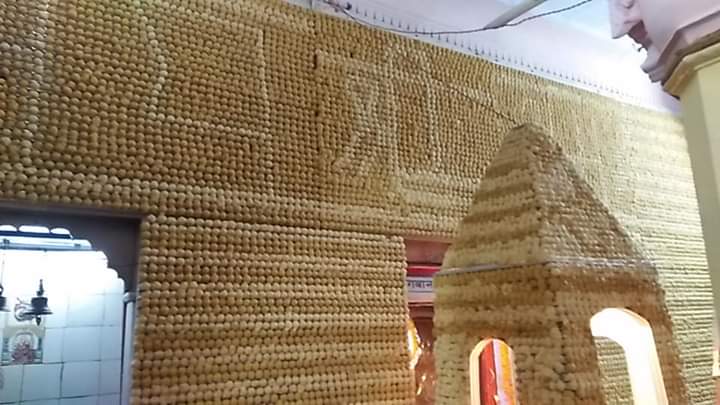
भोले की नगरी में अन्नकूट महोत्सव की छटा देश दुनिया से आए श्रद्धालुओं, पर्यटकों के लिए यादगार बन गई। अन्न, मेवा से बने पकवानों, मिठाइयों के भंडार सजाए गए। तीनों लोक के स्वामी बाबा विश्वनाथ के दरबार में घी के लड्डुओं का शिवालय का दर्शन कर भक्त निहाल हो उठे, तो मां अन्नपूर्णा के धाम में अन्न का पहाड़ सजाया गया। शहर के अन्य मंदिरों में भी अन्नकूट की छटा देखने के लिए श्रद्धालु देर रात तक उमड़ते रहे।
मंगला आरती के बाद बाबा विश्वनाथ के दरबार में सजे लड्डुओं के शिवालय का दर्शन भोर चार बजे से आरंभ हो गया। अन्नकूट की झांकी दर्शन के लिए लंबी कतार लगी। शिवालय के द्वार पर लड्डुओं से ही श्रीराम लिखा हुआ था।
गर्भगृह में छप्पन भोग के अलावा मेवा, मिश्री, पकवान का भोग अर्पित किया गया। इसी तरह अन्नपूर्णा मंदिर में 90 कुंतल वजन की मेवा, फल और खोवा, छेना से बनी मिठाइयों का अन्नकूट सजाया गया। 11 कुंतल कच्चे भोग यानी चावल, दाल, तरह-तरह की सब्जियां, चटनी, अचार, पापड़ के रूप में अन्न का पहाड़ सजाया गया।
यहां पांच हजार से अधिक श्रद्धालुओं ने अन्नकूट का भोग-प्रसाद मंदिर परिसर के अन्नक्षेत्र में ग्रहण किया। अन्न से बनाए गए पर्वत को प्रसाद के रूप में पाने की दक्षिण भारतीय श्रद्धालुओं में होड़ मची रही। अन्नकूट के दर्शन के लिए श्रद्धालुओं की लंबी कतारें लगी रहीं।